There's a certificate I can only ask for five times a week. Get it wrong, and I'm locked out for thirty-four hours. The most dangerous phrase in enterprise AI right now is "let's move faster". Why fast sometimes needs brakes is not a technical lesson.
That certificate wasn't an inconvenience to work around. It was a lock I'd fitted on the door for privacy. There was no shortcut that didn't mean compromising, so I didn't take one. Security, quality, data provenance are not parts you cut when you're tired and in a hurry. They are the parts you double down on. Most of the pressure in this field runs the other way. Switch it on, move fast, sort the governance later. Later is how you end up with an AI capability you can't trust and can't defend.
Five attempts a week
This particular week a small piece of my build kept failing. The agentic AI beside me was a coding agent with real access to my system. It was fast, tireless, and confident. It offered theory after theory, each plausible, each delivered with pages of text and steady assurance. And many were wrong. Not obviously wrong. Wrong in the way that costs you a scarce resource before you find out. The tool wanted to try again and work from memory rather than read the internet sources. Try again is what it was reaching for when it didn't truly understand the failure. But I am only allowed five attempts a week before I get locked out, and every wasted one meant another day and a half in the dark. So I stopped the AI and made it wait. One attempt. Wait. Write down exactly what happened. Diagnose and learn from trusted sources. It felt like crawling while the tool wanted to sprint. It was the fastest way through because the sprinting had been running us in circles, burning the certificate retries I couldn't buy more of.
The brakes require human experience
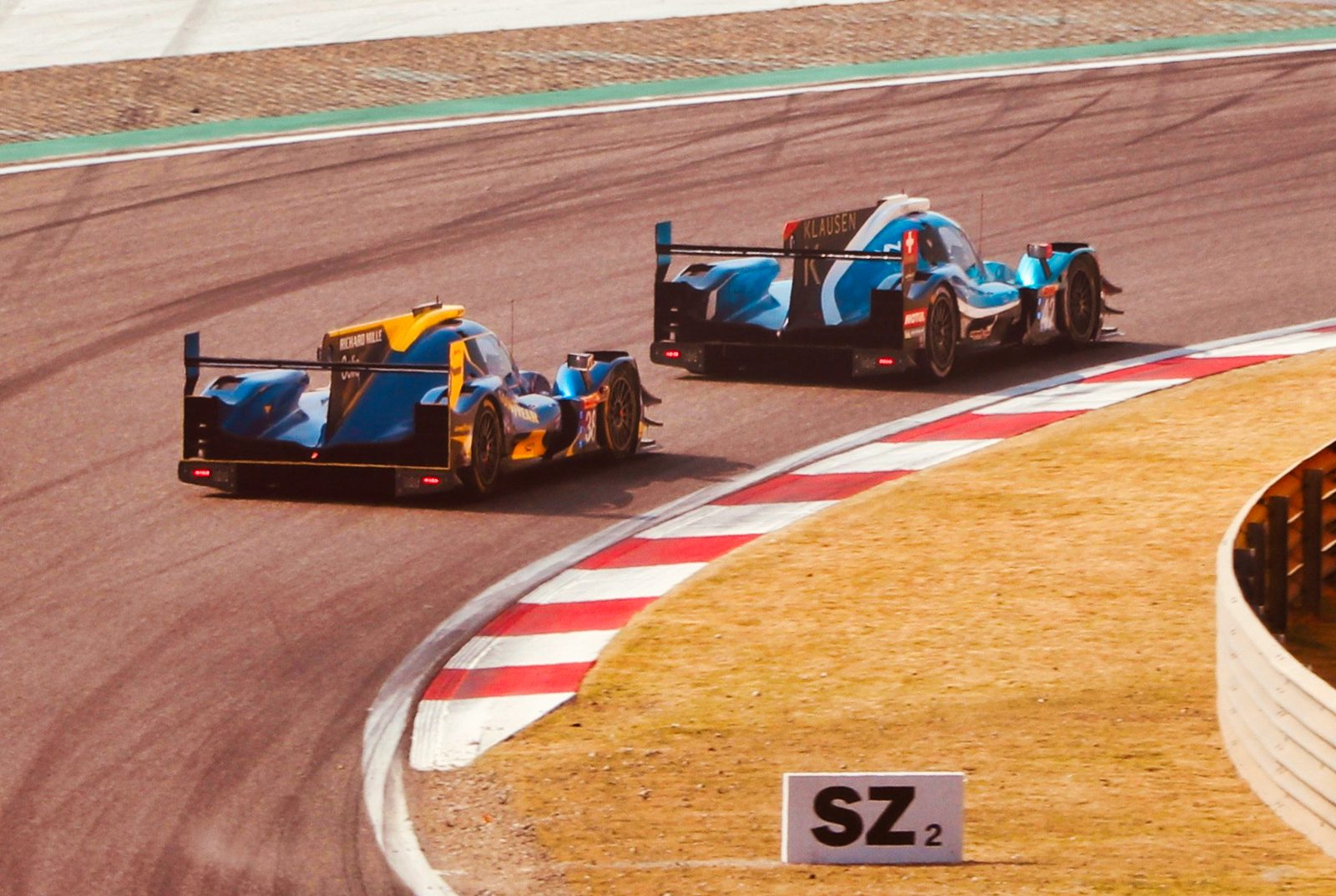
The younger engineer version of me would have made every mistake in that week and called it momentum. Quicker then, sharper, full of certainty and with the corporate gold star on my forehead. What I lacked was the judgement to know that a scarce, irreversible resource is not something you hammer at speed. Today I'm slower, and I'd beat younger me every time. Not despite being slower, because of it. The slowness isn't a tax I pay and make up for with experience. The slowness is all about understanding scarcity and taking time for human judgement. The younger engineer version of me cared more for horsepower and less for brakes. With high performance machines, how you use the brakes is the key to speed. With AI also I'm finding that slow is smooth, and smooth is fast.
The younger engineer version of me cared more for horsepower and less for brakes.
The confident young engineer
That gap between the confident young engineer and the seasoned programme leader mirrors what I'm learning about working with AI. The tool is now the confident young engineer. It generates tirelessly and doesn't reliably know which of its answers are the ones that will cost you dearly. It doesn't feel the thirty-four hours, doesn't weigh the consequence of being wrong, because it carries none. That weighing of what is cheap to get wrong and what needs more care must come from the human in the loop, in this case me.
What senior leaders are living
Senior leaders are living a version of this. Capital is scarce so the bets have to be fewer and smarter. Into that lands enormous pressure to do AI faster. Everywhere, at once, before the competitor does. IDC now reports that roughly nine in ten AI proofs-of-concept never reach production, and Gartner predicts more than 40 per cent of agentic AI projects will be cancelled by 2027, felled by governance gaps, runaway costs and unclear returns.1 But speed against a scarce, irreversible resource is not speed. What if that scarce resource is your reputation, or your corporate IP? I've already written that the strategy is in the curation and advantage comes not from the AI everyone can licence, but from the judgement you bring to it. The human in the loop is the same lesson from the other end. Output has become cheaper so judgement is more important.
And here is the uncomfortable part, said plainly. AI has not made my experience a moat. If anything it's easier to attack. The tool is a commodity. My competitor licences the same one. A rival with sharper judgement now beats me more easily, not less, because the tool no longer hides the difference between us. Adoption is the easy, copyable part. It is table stakes, not advantage.
Adoption is the easy, copyable part. It is table stakes, not advantage.
Where the value migrates
I noticed something I can see but can't fully explain, so I'll describe it rather than theorise. The moments that mattered were rarely about technical skill. They were knowing which parts of a design had to be right to four nines (99.99% accuracy / reliability) and which could be rough and fixed later. When to persevere and when to abandon and start again. How many loops of agents checking output were needed before it was safe to trust. And what questions to ask so important items weren't missed by omission. I have experienced all of these. We rarely make our sharpest graduates into judges. We wait for the ones who've been wrong enough times to know the shape of it. As the tool takes over the producing, the value migrates hard toward the deciding. Deciding seems to be made of lived human experience and human consequences more than training.
As the tool takes over the producing, the value migrates hard toward the deciding.
The nail gun, not the gloom
None of this is a counsel of gloom, or even of slowness. Industrialisation didn't kill all carpenters; it moved the skill from striking the nail hard and true to knowing what to build and what will last. Many carpenters became builders. It is true we need fewer hands per house than before industrialisation. AI is the nail gun. Many senior people I know aren't frightened of it. They're energised, quietly retraining, innovating faster than ever, because they got to the top of their game by being curious. This is the most exciting change of our working lives.
So the direction is clear enough to act on even this early. As building approaches free, the scarce thing is no longer the ability to build. It's the judgement to know what's worth building, what has to be right, and what you must never do at speed. The tool will keep getting faster and more confident. This is exactly why the human who has learned when to slow down is about to matter more, not less.
Fast, it turns out, was never the same as smart. I just needed sufficient human experience to properly believe it.